
Quick answer: An end of tenancy cleaning checklist covers every room in the property, with extra attention on the areas inspectors check most: the oven, hob and extractor, inside cupboards and appliances, bathroom limescale, skirting boards, interior windows and floors. Compare the finished clean against your check-in inventory, not against your own day-to-day standard.
Moving out of a rented home in Manchester comes with a long to-do list, and cleaning is often the job that gets squeezed into the final weekend. That is a problem, because the condition of the property at check-out is one of the most common reasons for disagreements about deposits.
This end of tenancy cleaning checklist walks you through the property room by room. It explains what landlords and letting agents usually look at, where tenants most often miss things, and when it makes more sense to book a professional end of tenancy clean instead of doing it yourself.
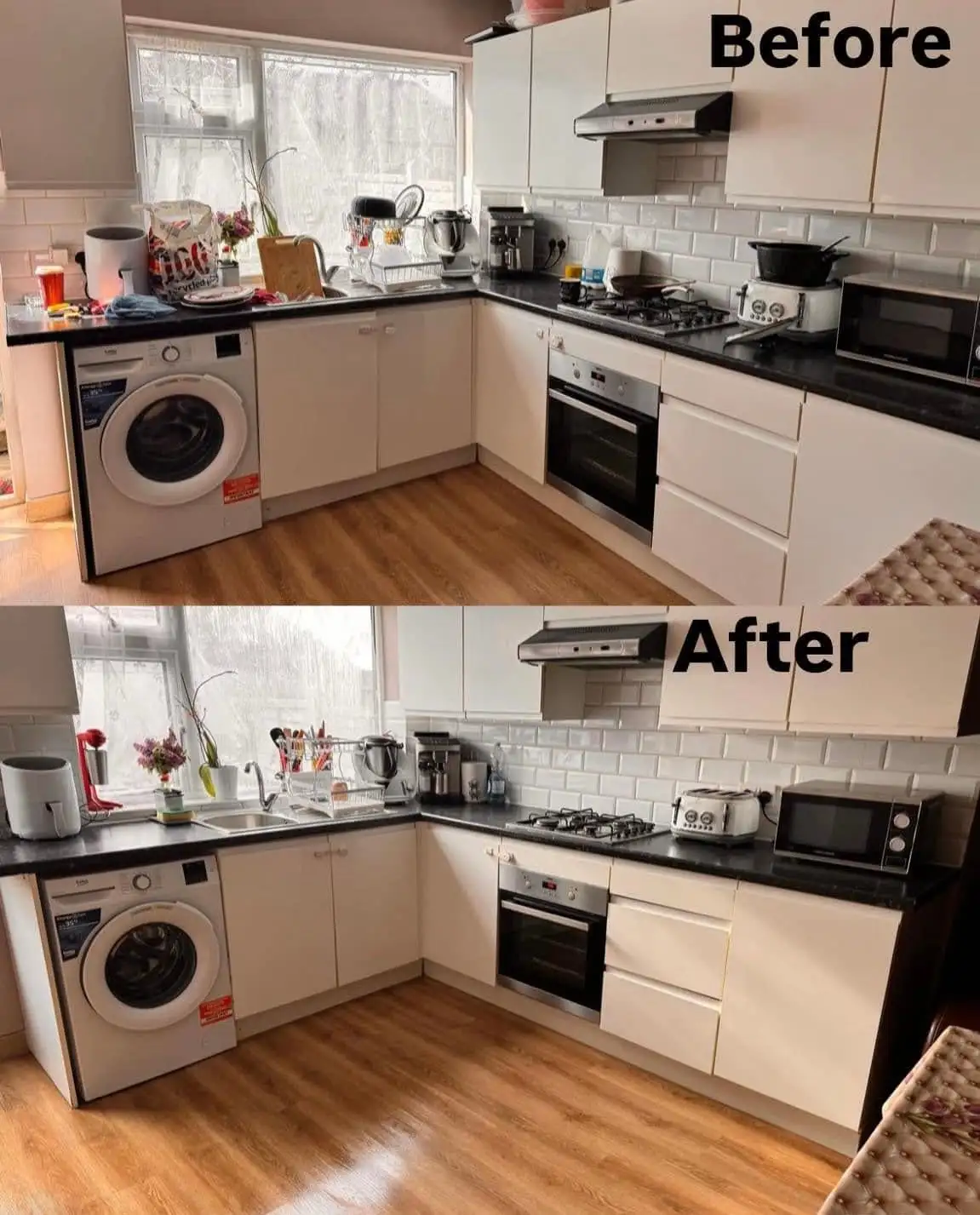
Why an End of Tenancy Clean Is Different From a Normal Clean
A weekly clean keeps a home pleasant to live in. An end of tenancy clean has a different job: returning the property, as closely as possible, to the condition recorded in the check-in inventory, allowing for fair wear and tear.
That means cleaning places you never normally touch. Inside the oven. Behind the fridge. The top of the kitchen cupboards. The tracks of sliding wardrobe doors. The extractor filter. If your inventory photos show a sparkling oven, the inspector will expect the same at check-out.
In England, most deposits for assured shorthold tenancies must be held in a government-approved protection scheme. If you and your landlord disagree about deductions, the scheme’s free dispute service can decide. You can read how this works on the GOV.UK tenancy deposit protection guide. Having a well-documented, thorough clean puts you in a much stronger position if it ever gets that far.
Before You Start Your End of Tenancy Cleaning Checklist
- Find your check-in inventory. This is the benchmark. Note anything marked as already stained, scratched or worn, because you are not expected to fix pre-existing issues.
- Move out first, clean second. Cleaning around boxes and furniture you are taking with you wastes time and leaves gaps. Empty rooms are faster and easier to clean properly.
- Gather the right supplies. Oven cleaner, a limescale and soap-scum remover that is safe for your fittings, microfibre cloths, a non-scratch scourer, a stepladder, a vacuum with attachments and a mop.
The Room-by-Room End of Tenancy Cleaning Checklist
1. Kitchen
The kitchen is where most cleaning-related deposit deductions start. Give it the most time.
- Oven interior, racks, trays, door glass (including between the panes if it opens) and seals
- Hob, burners, pan supports and the surround
- Extractor hood exterior and filter (soak or replace grease filters as per your agreement)
- Inside and outside of all cupboards and drawers, including the top edges
- Fridge and freezer: defrost, clean inside, wipe seals and leave the door ajar if switched off
- Washing machine drawer, door seal and filter; dishwasher filter and seals
- Microwave inside and out
- Sink, taps and drainer descaled and polished
- Wall tiles, splashback and grout degreased
- Worktops, light switches, plug sockets and handles
- Floor swept and mopped, including under the edges of units
2. Bathroom and En-Suites
- Limescale removed from taps, shower heads, screens and tiles
- Bath, shower tray, basin and toilet (including under the rim and the base) cleaned and sanitised
- Grout and silicone cleaned (mould staining that has penetrated silicone may not fully lift)
- Mirrors and cabinets inside and out
- Extractor fan cover dusted
- Radiator or towel rail wiped
- Floor washed, especially behind the toilet
3. Bedrooms
- Wardrobes and drawers emptied and wiped inside, including shelves and rails
- Skirting boards, door frames and doors
- Windows, sills and tracks (interior)
- Light switches, sockets and light fittings dusted
- Radiators wiped, including behind where reachable
- Carpets vacuumed edge to edge; marks spot-treated or professionally cleaned if required by your tenancy
4. Living Room and Dining Areas
- Shelves, mantelpieces and any built-in units
- Sofa and upholstery in furnished lets (vacuum under cushions; consider professional cleaning)
- Curtain poles, blinds and window sills
- Skirting boards and door frames
- Floors vacuumed and mopped
5. Hallways and Stairs
- Banisters and spindles
- Stair carpet vacuumed, including the edges of each step
- Coat hooks, the front door (inside) and letterbox
- Light switches, which collect fingerprints in hallways faster than anywhere else
6. Windows and Glass
Interior glass, mirrors and glazed doors should be streak-free. External windows above ground level are not normally the tenant’s job unless your agreement says otherwise, but check before you leave it.
7. Walls and Paintwork
Wipe obvious marks and scuffs gently. Do not scrub hard on matt emulsion, as you can remove the paint and make the mark worse. Holes from picture hooks and Blu Tack marks are usually a repair question rather than a cleaning one, so check your agreement.
8. Outdoor Areas, Bins and Garages
Clear rubbish from gardens, patios and balconies, empty and rinse the bins, and sweep any garage or storage space you used. Check your local council collection day so you are not leaving full bins behind.
9. The Final Walk-Through
Finish your end of tenancy cleaning checklist by walking through the property with your inventory in hand and taking dated photos of every room, inside the oven and inside the fridge. These photos are your evidence if questions come up later.
The Areas Tenants Most Often Miss
Even with an end of tenancy cleaning checklist, the same areas tend to be missed by tenants doing it themselves:
| Area | Why it gets missed |
|---|---|
| Oven door glass and seals | Takes time and the right products |
| Extractor filter | Hidden above eye level |
| Tops of kitchen cupboards and door frames | Out of sight from normal height |
| Washing machine drawer and seal | Mould builds up unnoticed |
| Behind and under appliances | Requires moving heavy items |
| Bathroom limescale and soap scum | Builds up slowly on chrome and glass, so it goes unnoticed day to day |
| Skirting boards | Dust lines show clearly in empty rooms |
DIY or Professional End of Tenancy Cleaning?
You can absolutely work through an end of tenancy cleaning checklist yourself if you have the time, the energy and the right equipment. For a one-bedroom flat in good condition, a determined tenant can usually manage it over a day.
A professional clean tends to make more sense when:
- You are moving on a tight timescale and need the keys handed back on a set date
- The property is larger, or the oven and bathrooms need serious work
- Your letting agent has given you a specific cleaning standard to meet
- You want someone else to handle any issues raised in the check-out report
MSG Cleaners’ end of tenancy cleaning in Manchester covers the oven, hob and extractor, inside cupboards and wardrobes, bathroom descaling, skirting boards, doors, interior windows and all floors, with carpet and upholstery cleaning available on request. The team brings all the products and equipment, and you do not need to stay for the clean as long as they have access.
What Happens if the Landlord Raises Cleaning Issues?
No reputable cleaning company can promise you a full deposit back, because the final decision sits with your landlord or agent, and deductions can also relate to damage, rent or other issues. What a good end of tenancy service can do is give you the best chance of a smooth check-out and put things right quickly if something is flagged.
Under MSG Cleaners’ satisfaction guarantee, end of tenancy customers have 72 hours to report issues, including items listed in the landlord or agent’s check-out report. Eligible areas are re-cleaned free of charge, usually within 24 to 72 hours. The guarantee does not cover things cleaning cannot fix, such as permanent stains or damage, areas that were inaccessible, or anything outside the agreed service, so it is worth reading the full terms before you book.
Getting the Timing Right
Book your clean for after the removal van leaves and before the check-out inspection, ideally with a day’s gap so any follow-up can be done in time. In Manchester, the end and start of the month are the busiest times for moves, particularly around the academic year in areas popular with students, so it pays to book early.
If you are a landlord or agent turning a property around between tenants, the same end of tenancy cleaning checklist applies, and a move-in clean before the new tenants arrive gives you a clean, photographed baseline for the next inventory.
How Long Before Check-Out Should You Book?
Ideally, book your end of tenancy clean as soon as you know your move-out date. Aim for the clean to happen after your belongings have gone and before the inspection, leaving a day in between if you can. That gap gives time for anything flagged in the check-out report to be re-cleaned before the keys are handed over or the landlord’s deadline passes.
If your tenancy ends at the same time as many others, such as the end of the month or the summer student changeover, slots fill quickly across Manchester, Fallowfield, Withington and Salford. Booking a couple of weeks ahead is sensible at those times.
Key Takeaways
- Base your end of tenancy cleaning checklist on the check-in inventory, not your own day-to-day standard.
- The kitchen, especially the oven, is where most cleaning deductions start.
- Clean empty rooms after you move out, working top to bottom.
- Photograph every room, the oven and the fridge once you have finished.
- No cleaner can guarantee your deposit, but a thorough, documented clean and a clear re-clean policy put you in the strongest position.
Book Your End of Tenancy Clean in Manchester
If you would rather hand your end of tenancy cleaning checklist to someone else, MSG Cleaners covers Manchester, Stockport, Cheadle, Cheadle Hulme, Wythenshawe, Oldham and the wider Greater Manchester area.
Get Your Free Cleaning Quote: call 0333 054 0291, message us on WhatsApp on +44 7599 887340, or request a quote online. You will receive a fixed price before any work starts.
Frequently Asked Questions
What should be included in an end of tenancy cleaning checklist?
A complete checklist covers every room, including inside the oven, hob and extractor, inside all cupboards and appliances, bathroom limescale and grout, skirting boards, doors, light switches, interior windows and all floors. Compare the result to your check-in inventory.
Do I have to clean the oven when I move out?
If the oven was clean at check-in, you will normally be expected to return it in the same condition, allowing for fair wear and tear. The oven is one of the most common causes of cleaning deductions, so it is worth doing thoroughly or having it professionally cleaned.
How long does an end of tenancy clean take?
It depends on the size and condition of the property. A small flat may take a few hours, while a larger house can take most of a day. MSG Cleaners gives a time estimate with your quote.
Can a cleaning company guarantee I get my deposit back?
No. Deposit decisions are made by your landlord or agent, and can be disputed through your deposit protection scheme. A professional clean improves your chances, and MSG Cleaners re-cleans eligible issues reported within 72 hours.
Do I need to be at the property during the clean?
No. As long as the team can access the property, you do not need to be there for the whole clean.
Is carpet cleaning part of an end of tenancy clean?
Carpets are vacuumed edge to edge as standard. Professional carpet cleaning is an add-on, and is worth booking if your tenancy agreement requires it or there are stains or pet odours.
Should landlords book a move-in clean as well?
Many landlords and agents book a clean before new tenants arrive. It gives a clean, photographed baseline for the next check-in inventory and makes the next end of tenancy clean easier to assess.
3 Responses